


Museum of Memory and Human Rights Free Walking Tour
Tour Details
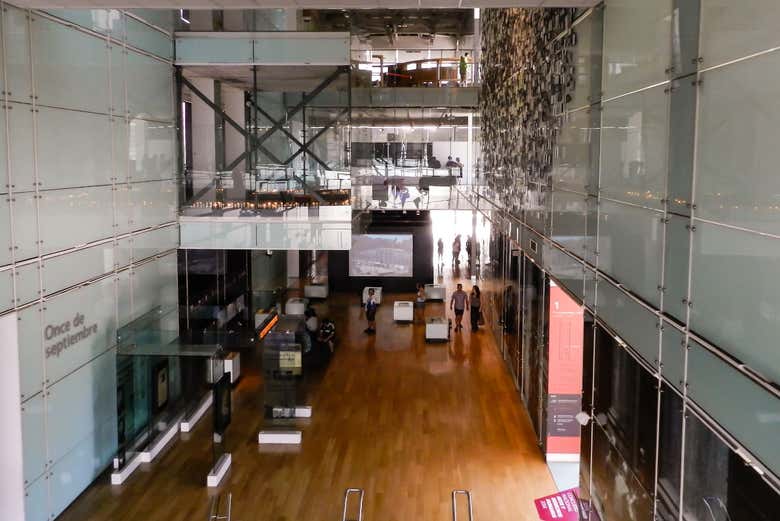
We’ll meet at the designated time in the plaza in front of the Museum of Memory and Human Rights, a true institution in Santiago, Chile. First, we’ll review the articles of the Universal Declaration of Human Rights, adopted by the United Nations in 1948, whose principles form the central theme of the entire tour.
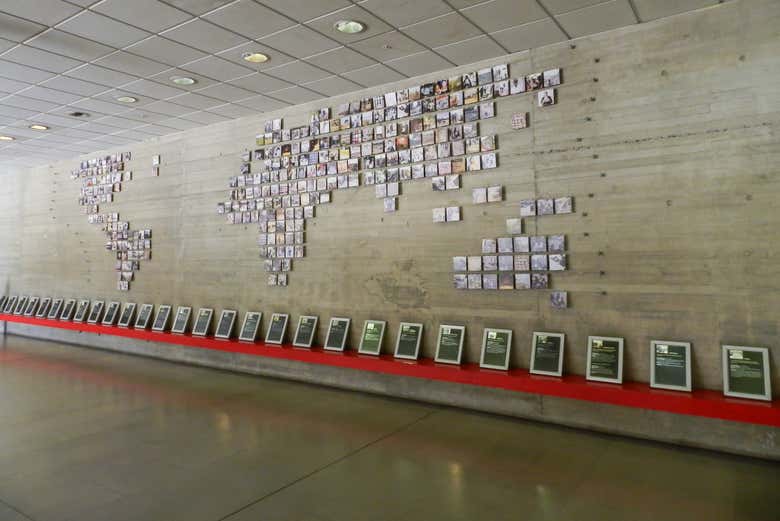
Upon entering the museum, we’ll explore its reception areas and the specialized bookstore, and then head to one of the most interesting features on the first floor: a world map identifying the countries that have established official Truth and Reconciliation processes.
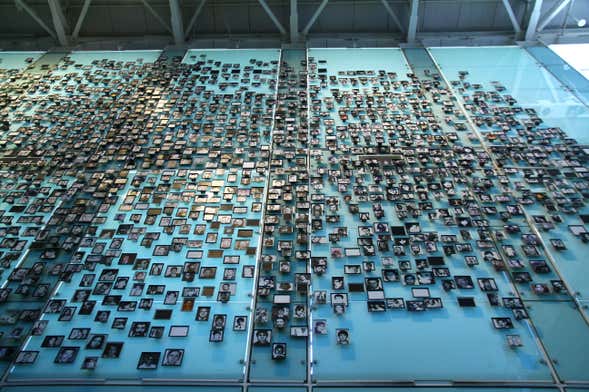
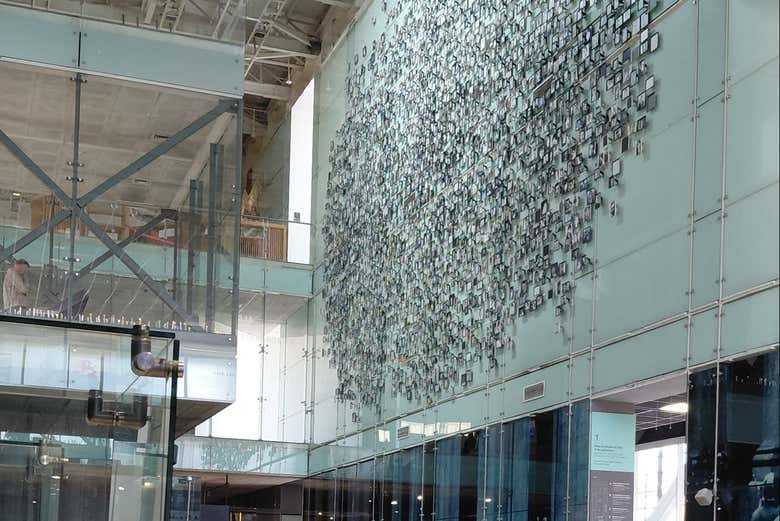
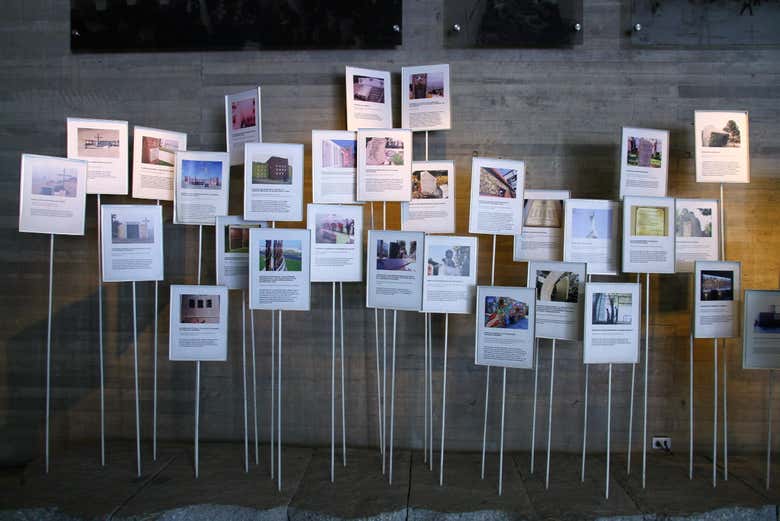
On this same floor, we’ll see a map of Chile marked with hundreds of crosses representing the detention centers, torture sites, and political prisons used during the military dictatorship.
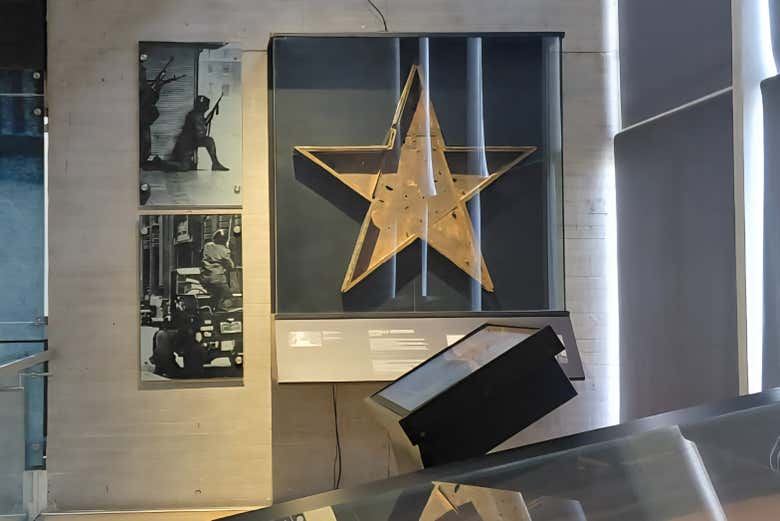
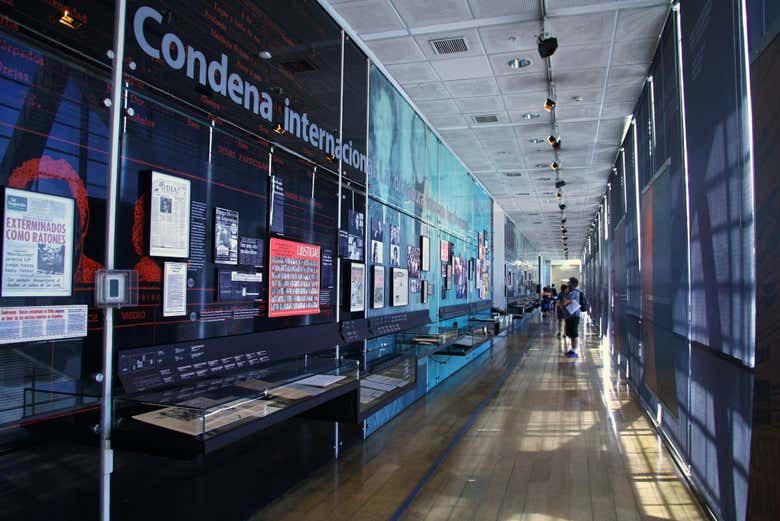
The tour will continue on the next level, where we'll explore one of the most momentous events in contemporary Chilean history: the collapse of democracy. Through documents, photographs, radio recordings, and audiovisual material, we’ll follow a detailed chronology of the events of September 11, 1973, reconstructing, hour by hour, the unfolding of the coup d’état that brought an end to the constitutional government of President Salvador Allende.
We'll also explore the history of iconic sites such as Londres 38, Villa Grimaldi, and other clandestine detention centers used by the regime’s repressive agencies. Furthermore, as we walk through the museum’s halls, we'll see how much of the international community reacted to reports of human rights violations in Chile.
On the next level, we’ll explore the international scope of the repression by examining Operation Condor, the coordination among various South American dictatorships to persecute political opponents beyond national borders.
Next, we'll explore the experience of exile and the Chilean diaspora. Through testimonies, photographs, and personal artifacts, we'll learn the stories of those who were forced to leave the country and rebuild their lives in different corners of the world.
Finally, we'll reach the section that recounts the end of the dictatorship and the process of democratic recovery. We'll relive the citizen mobilizations of the 1980s, the historic 1988 plebiscite, and the path that led to the return of democracy in 1990.
After a 2-hour tour, we’ll conclude our visit by reflecting on the ongoing challenges of memory, truth, justice, and the defense of human rights, understanding why this museum not only preserves the past but also invites us to think about the present and the future of our society.
Groups
On our free tour, we do not accept reservations for groups of more than 6 people, even if the reservations are made separately.
More Information
Duration
2 hours.
Language
The activity takes place with a guide that speaks in Spanish.
Included
Spanish–speaking guide
Museum admission (free)
Not included
Tips
When to book?
You can book up until 6 hours before the activity as long as there are still places. Book now to guarantee your spot.
Type of voucher
Electronic. Show the voucher on your phone.
Accessibility
Wheelchair accessible. Accessible toilets. Free wheelchair loan service available. An accompanying person is required. This must be indicated in the reservation.
Sustainability conditions
All services published on Civitatis are carried out in accordance with our Sustainability Code.
Our providers commit to:
- Provide a safe and satisfying experience.
- Reduce, reuse, recycle.
- Incorporate eco-conscious technologies.
- Uphold fair employment standards.
- Foster the growth of local communities.
- Preserve the integrity of local culture.
- Safeguard both cultural and environmental heritage.
- Ensure ethical treatment of animals.
- Operate with honesty and transparency.
- Encourage sustainable behaviors among customers and staff.
This particular activity contributes as follows:
- No printing of documentation required.
- Promotes local employment.
- Has a gender equality policy.
- Has a carbon footprint offset policy.
Pets
Not permitted.
Frequently asked questions
-
Q - Can I visit the museum with children under 12?
A - The museum is open to the general public; however, it contains sensitive audiovisual material, and adults accompanying children and teenagers to the museum are solely responsible for them.
-
Q - Why do this activity with Civitatis?
A - At Civitatis we guarantee the best quality and prices, click here if you want to know how we select our activities.
-
Q - How to book?
A - To reserve the activity, choose the date and complete the form on this page. You will receive your confirmation immediately.
-
Q - Which local supplier will be providing the tour?
A - Gocivi Corporate name: Silvia Jessica Escalona Cornejo Registered Office: Avenida Neptuno 181, Lo Prado, Chile Tax Identification Number (VAT ID): 12469097-8 Contact information Email: gocivi0973@gmail.com Phone: 933241575
If you have any other questions please contact us.
Free cancellation
You may also be interested in
Esplanade of the Museum of Memory at 499 Matucana Street